NEWS

Why Stable Formulation Matters in Textile Printing Production

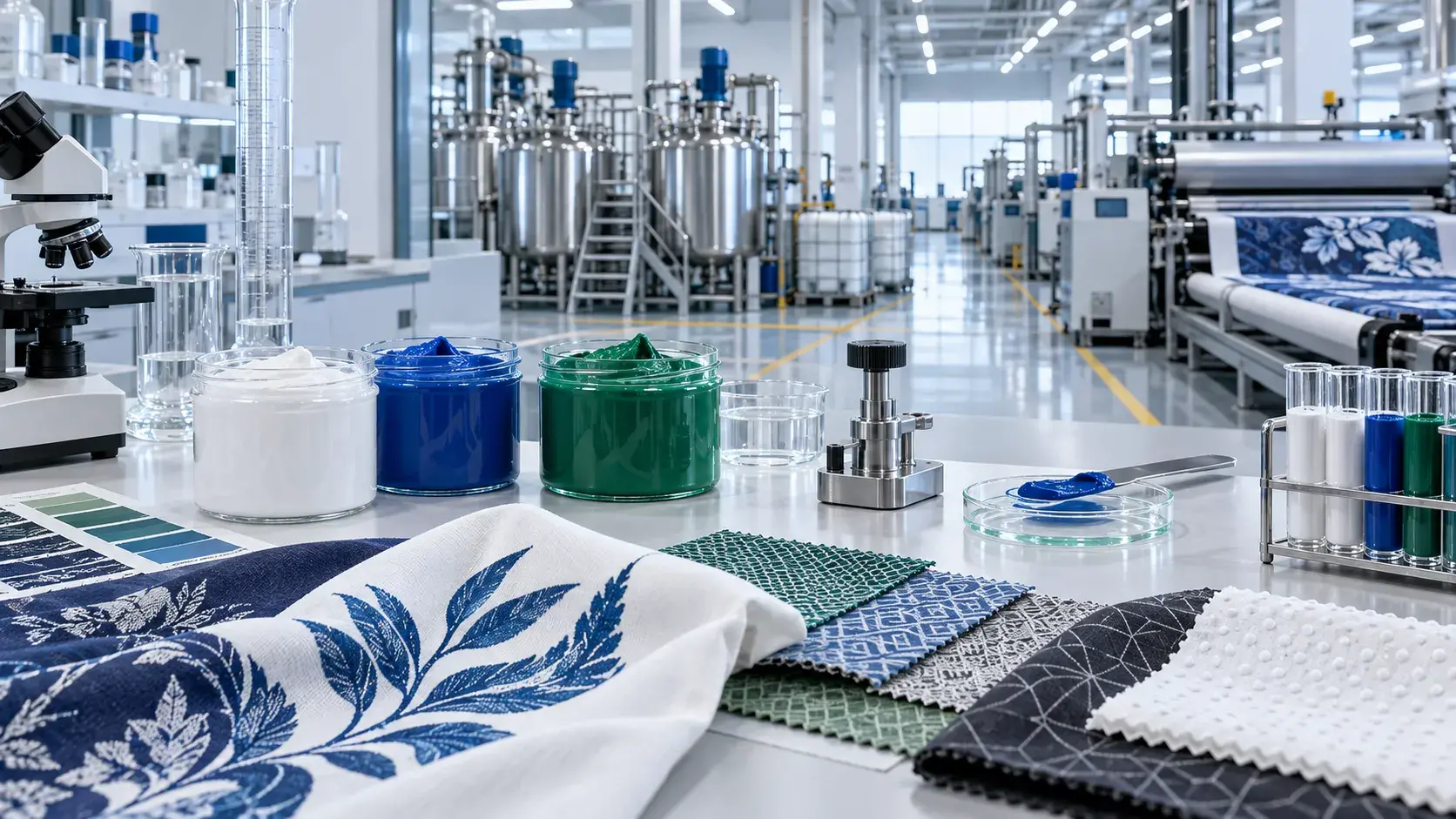
For textile printers, producing a successful laboratory sample is only the first step. The greater challenge is ensuring that the same printing result can be reproduced consistently when the order moves into mass production. Small differences in viscosity, raw materials, formulation ratios or production conditions can affect printability, print thickness, hand feel, adhesion and final […]

Read More »

Water-Based PU Printing for Swimwear and Stretch Fabrics

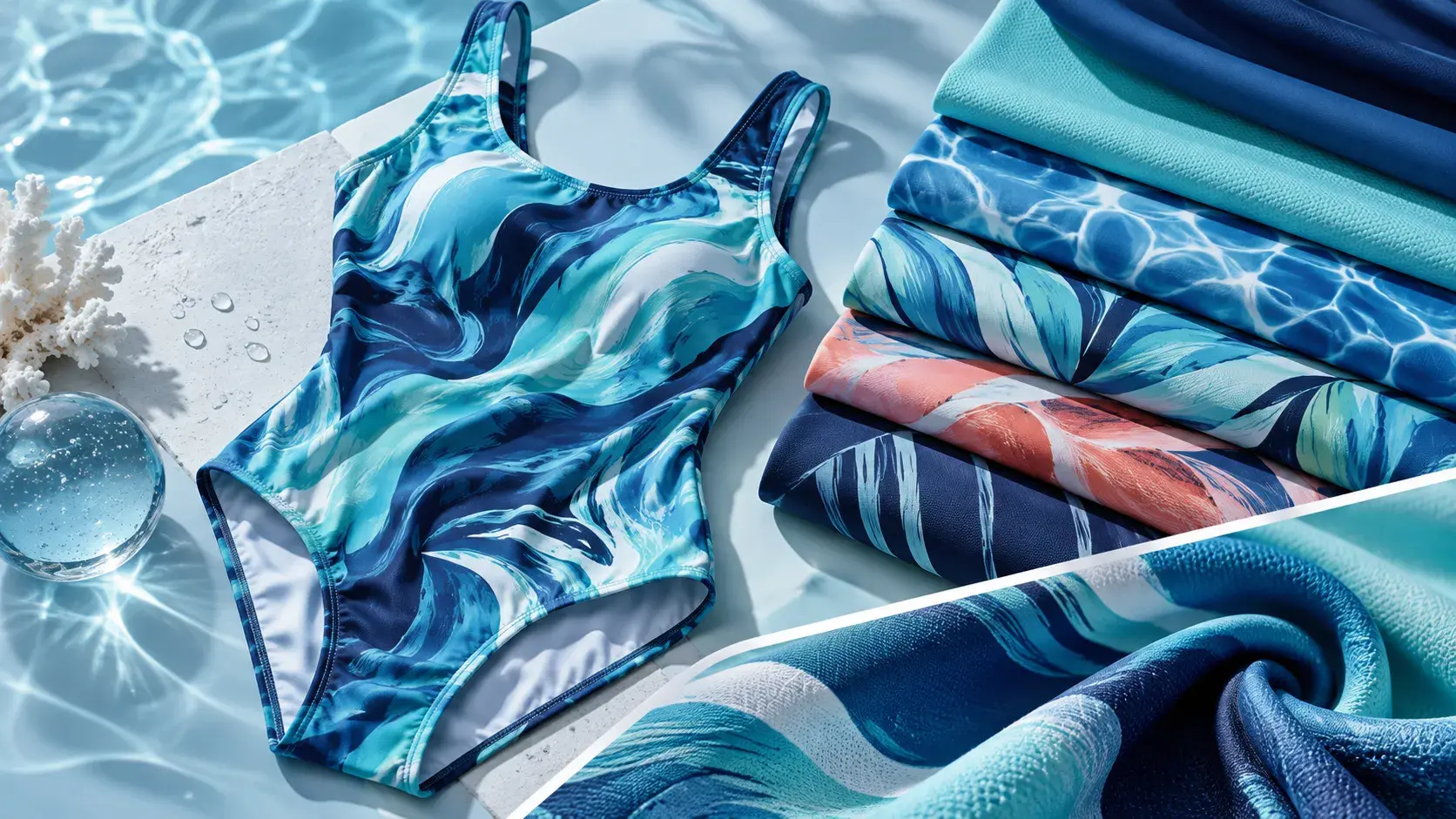
Printing on swimwear, Lycra and other highly elastic fabrics is very different from printing on ordinary cotton. These fabrics repeatedly stretch and recover during use. If the printed layer cannot move together with the substrate, cracking, stiffness or poor adhesion may occur. For this reason, stretch-fabric printing materials need to balance elasticity, softness, adhesion and […]

Read More »

High-Density vs. Puff Printing: Which Effect Fits Your Design?

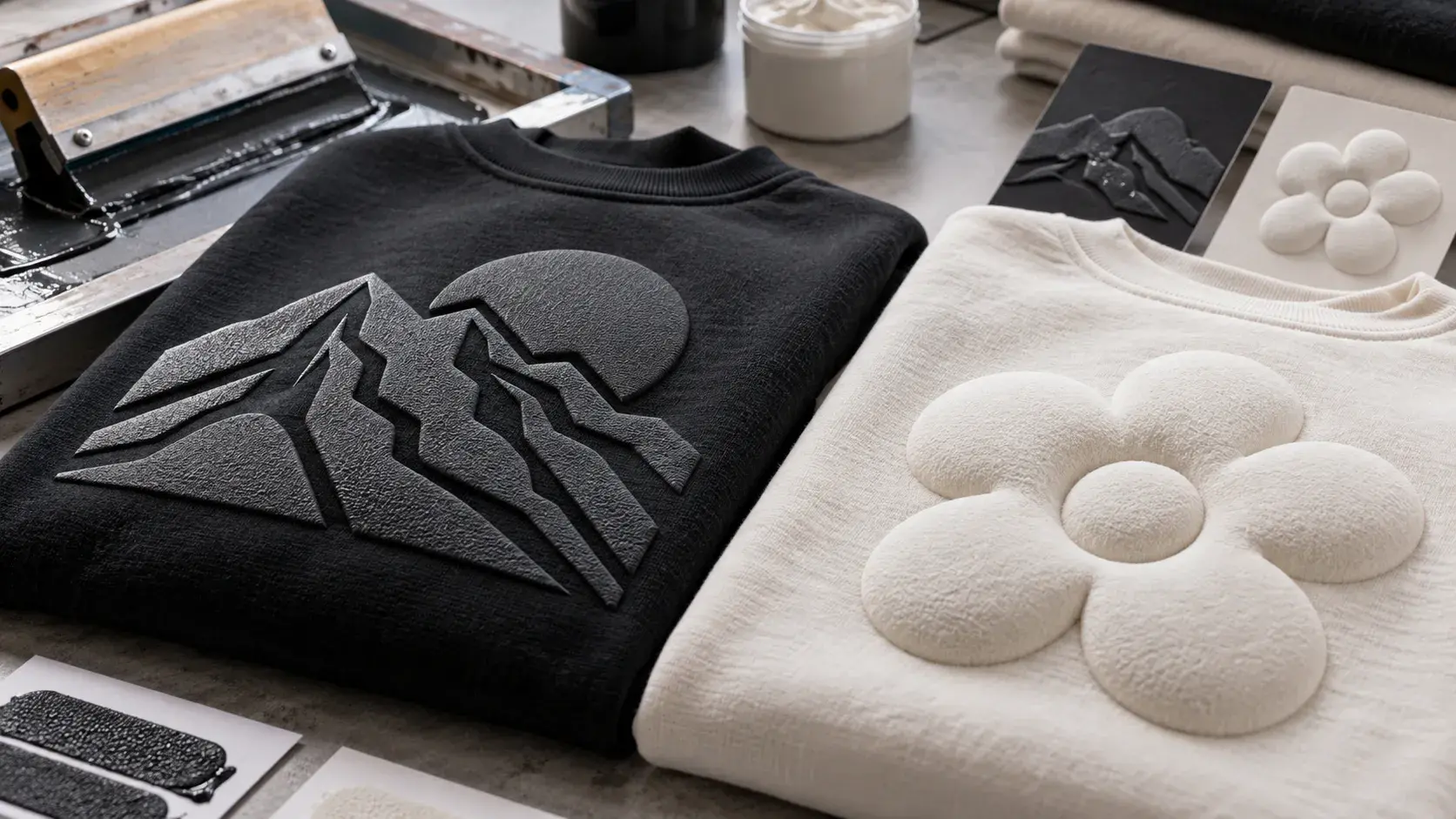
Three-dimensional printing effects are widely used in apparel because they add depth, texture and visual impact that ordinary flat printing cannot achieve. Two common solutions are high-density printing and puff printing, but they create very different results. High-density paste builds clean and clearly defined raised layers on the fabric surface, while puff paste expands during […]

Read More »